
Blog » Uncategorized » Kyoto University Campus Overview – Environment, Facilities and Life
Kyoto University Campus Overview – Environment, Facilities and Life

The Kyoto University Campus offers international students a distinctive combination of academic tradition, advanced research and cultural exposure. The university is situated in one of Japan’s most historical cities, and offers a setting to share the modern laboratory spirit with the independent learning and Japanese traditions. Kyoto University has three main campuses: Yoshida, Uji and Katsura. Academic roles, atmosphere and connection between students and academics vary between each of the locations. You can do most of your studying on one campus, but easily head over to other locations whenever there’s a seminar or research project. This comprehensive guide explains student housing, school facilities, local customs, student clubs, and daily life in Kyoto.
10+
14+
Rank #64
23000+
How Is the Campus of Kyoto University?
The 3 main campuses cater to different academic communities and have the same research culture.
Yoshida Campus
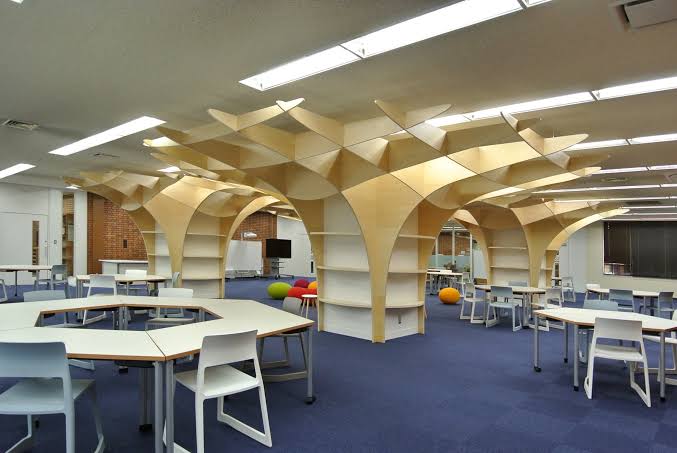
Yoshida is Kyoto University’s oldest and main campus. The heart of most undergraduate teaching and activities. The campus features historic buildings and contemporary lecture halls, laboratories, libraries, cafeterias and administrative offices. It boasts of its long academic history with its traditional architecture, pathways lined with trees and a clock tower. Yoshida offers a variety of resources, such as large libraries, health service staff, offices for international students, club facilities, and easy public transportation. Large student population is catered for by cafés, restaurants and apartments in the surrounding area, as well as shops. Many undergraduate courses are also held here and, in general, the atmosphere of the campus is the most active.
Uji Campus
Uji Campus is mainly engaged in advanced study in the fields of natural science, energy, chemistry and technology. It has specially equipped laboratories, research institutes and big companies with testing facilities. The campus has a more subdued ambiance and is more research oriented than Yoshida, making it significant for post graduate students, faculty scientists and students engaged in advanced scientific work. If students have to go between Uji and the centre of Kyoto, they need to think carefully about how long it takes them to travel.
Katsura Campus
Katsura Campus is known for engineering, informatics and technology-related research. It has Katsura Campus is famed for engineering and informatics/technology-related research. It is well-equipped with modern buildings, high-quality laboratories and other facilities, which are conducive to cooperative study within the academic department. The large area brings a focused scientific environment. Please note, however, that while Katsura is further from central Kyoto than Yoshida, transport and housing should be taken into consideration.
The three Kyoto University campuses collectively showcase the historic and contemporary teaching environments and research facilities.
Academic Environment and Facilities
Kyoto University is one of the institutions where there is a strong tradition of independent thought and learning through research. Students will be expected to be responsible for their own learning and to be actively involved in seminars, laboratory activities and discussions. A typical academic week may include:
- Lectures and tutorials
- Laboratory or fieldwork
- Independent study
- Group assignments
- Research seminars
- Presentations and examinations
Facilities vary from faculty to faculty and campus to campus, but common examples are libraries, laboratories, lecture rooms, study areas, and cafeteria facilities, sports facilities, and services for the international students. Students should confirm the teaching language of their programme before applying. Many traditional undergraduate courses are primarily taught in Japanese, while selected international programmes use English during part of the course. Conversational Japanese is useful for everyone, even students studying in English medium courses. This is because language proficiency will assist you in joining clubs, interacting with landlords, going to the doctor’s office and doing everyday life easier.
Famous Alumni of Kyoto University
Kyoto University has nurtured leading scientists, researchers, public, writers and business professionals. The institution also has connections to Nobel Prize winners and groundbreaking work in physics, chemistry, medicine and much else. The University has a well-established alumni network, which has a good reputation due to the University’s strong research culture and international reputation. Students may meet up with alumni during lectures, academic events, professional talks. Such links may assist students in grasping industries and research streams; however, jobs require academic achievement, skills, and language proficiency and professional preparation.
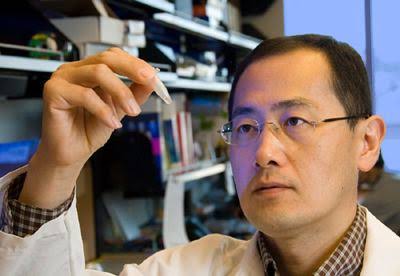
Shinya Yamanaka – Won the 2012 Nobel Prize in Physiology or Medicine Discovery
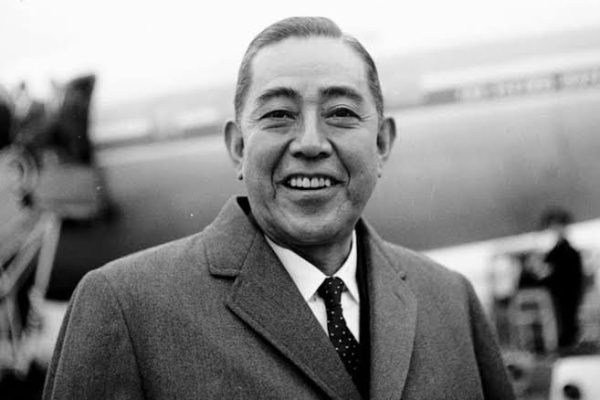
Eisaku Satō – Served as Prime Minister of Japan (1964–1972) and received the Nobel Peace Prize in 1974.
Lee Teng-hui – Former President of Taiwan (1988–2000)
Nagisa Ōshima – Celebrated and provocative Japanese film director


Kyoto University Traditions, Culture and Campus Events
Campus traditions allow students to express creativity, organise activities and interact with the wider community.
Yoshida Dormitory Culture
November Festival
Noh and Kyōgen
Some Other Student Festivals & Networking Events by clubs, societies and individual student groups.
Festival activities may include:
- Music and stage performances
- Academic exhibitions
- Art displays
- Student-run food stalls
- Club demonstrations
- Cultural presentations
- Discussions and workshops
When looking for november festival Japan, it is important to know that Kyoto University’s NF is not a festival nationwide, but a university festival. This event is an expression of the independent culture of students at the University, and an opportunity for international students to get to know other students beyond the context of their studies.
Academic Ceremonies
Enrollment and graduation ceremonies are crucial events. Orientation sessions can also include information about course registration, campus services, insurance and daily procedures. These formal events are a representation of Japan’s values of education and academic achievement.
Kyoto University Student Life on Campus
Sports and Recreational Activities
Interactive case-based classes
Group projects and presentations
Club meetings and networking sessions
Kyoto University Campus life here is demanding, yet it offers some of the best social experiences of your life. A typical day might consist of morning lectures, lunch in the cafeteria, and study time in the library, laboratory, club meeting or dinner with classmates. Students have opportunities to join academic groups, cultural events, language exchange groups and international events. People who take an active part tend to make friends and settle into life in Japan more easily. The University’s academic environment allows students to pursue their interests to a deep level and to ask questions and take ownership of their studies.
Life in Kyoto
Most people know Kyoto for its stunning shrines and seasonal festivals. Beneath that ancient charm lies a thriving world of research labs and tech startups. Proximity to the university offers students excellent transit links, dining choices, and quiet neighborhoods. Kyoto is generally way calmer than downtown Tokyo. Still the popular sights may get crowded during major holidays. On the bright side, it’s perfectly placed for quick train rides into Osaka, Kobe, or Nara. Life here gets way easier with some basic Japanese.
Student Clubs and Societies at Kyoto University
There are many clubs, circles and athletic organisations at the Kyoto University.
Sports and Academic Clubs
Cultural and Creative Clubs
Manga-Comic Book Study
Kyoto University Accommodation for International Students
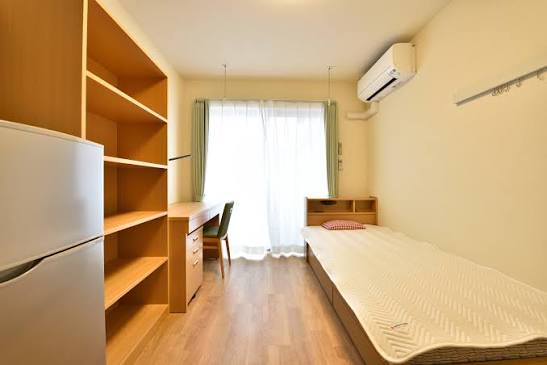
There are several houses for international students and student residences at Kyoto University. Different facilities will have varying accommodation options such as furnished rooms, shared kitchens, common areas, internet access and resident support.
University housing can assist new students in adjusting to Japan and meeting the other residents. Due to limited space, however, and because room assignment does not guarantee admission, please book your room early.
Many students rent private apartments or shared houses near their main campus. Private accommodation may involve:
- Security deposits
- Agency fees
- Guarantor charges
- Insurance
- Furniture and appliances
- Utility setup costs
Before deciding on a place to live, students should look at the renter’s fees, travel time to campus, and the length of the rental agreement along with nearby shopping or health care centers.
Food
Transportation
Personal expenses
Estimated Cost of Living
Living costs depend on accommodation, food habits, transport and lifestyle. A broad annual estimate is approximately JPY 1.1 million to JPY 1.9 million. A realistic budget should include:
- Rent and utilities
- Food and groceries
- Transportation
- National health insurance
- Mobile and internet services
- Academic materials
- Personal expenses
- Club fees
- Emergency funds
Cycling is common in Kyoto and may reduce transportation costs, but students must follow local parking, registration and safety rules.
UniRely: Your Partner for Kyoto University Admissions
Applying to Kyoto University requires careful research into programmes, teaching languages, requirements and deadlines.
UniRely can support prospective students through:
- Personalised profile evaluation
- Programme and course selection
- Application-document review
- Essay guidance
- Scholarship research
- Interview preparation
- Deadline management
- Visa and pre-departure support
- Initial accommodation planning
UniRely can also help applicants identify which campus is connected to their programme and prepare for housing, transportation and daily expenses.
Conclusion
The Kyoto University Campus experience combines academic independence, historic surroundings, advanced research and active student culture. Yoshida is the main centre for undergraduate teaching and student life. Uji supports specialised scientific research, while Katsura provides a modern environment for engineering and informatics. Students can join academic groups, cultural clubs, sports organisations and events such as the November Festival. They can also experience life in one of Japan’s most culturally significant cities. With realistic budgeting, early housing research and support from UniRely, international students can prepare for both admission and a rewarding academic and cultural experience in Kyot
Frequently Asked Questions
What is student life like at Kyoto University?
Student life at Kyoto University combines academic excellence with a vibrant campus culture. Students participate in research, cultural festivals, sports, clubs, and international exchange programs throughout the year.
Which campus is the main campus of Kyoto University?
Yoshida Campus is the university’s main and most historic campus. It is home to many faculties, libraries, cafeterias, and student facilities, making it the center of student life.
Does Kyoto University provide accommodation for international students?
Yes. Kyoto University offers several international houses and student dormitories. The university also assists students in finding private apartments near campus
What traditions make Kyoto University unique?
Kyoto University is known for its rich academic traditions, student festivals, club recruitment events, and cultural celebrations that reflect both Japanese heritage and the university’s long history.
How does Kyoto University support international students?
The university provides orientation programs, tutor support, housing guidance, scholarship information, counseling services, visa assistance, and career support for international students.